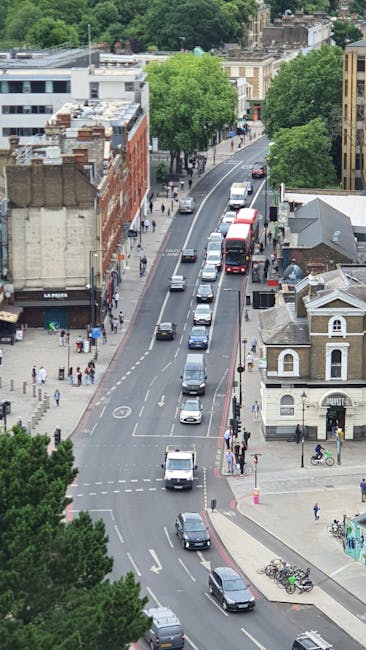
Removals near Elephant and Castle station best routes: a practical local guide
If you are planning a move around Elephant and Castle, the route matters almost as much as the boxes. On paper, removals near Elephant and Castle station best routes sounds simple enough. In real life, though, a good route can mean the difference between a calm move and a day of circling, reversing, and stressing about where the van can actually stop. Around this part of London, that is not a small detail.
This guide walks you through the smartest way to plan a removal route near the station, how local traffic patterns affect your timings, and what to do if you are moving a flat, a house, or an office nearby. We will keep it practical, local, and honest. Because let's face it, nobody wants a smooth quote and then a chaotic arrival on moving day.
Why Removals near Elephant and Castle station best routes Matters
Elephant and Castle is busy, layered, and not always forgiving to large vehicles. The station area sits in a part of London where buses, taxis, delivery vans, cyclists, pedestrians, roadworks, and general city movement all seem to meet at once. That means the best route is rarely the shortest route. It is usually the route that reduces turns, avoids awkward stopping points, and gives your removals team the best chance of loading or unloading without causing a bottle-neck.
For a removal team, route planning is not just about sat-nav instructions. It is about access. Can a van safely approach the building? Is there enough space for tail-lift operation or trolley movement? Is the road narrow, one-way, restricted, or constantly blocked by traffic at school run time? These questions sound small until you are standing outside with a sofa, a freezer, and half a street watching you.
In our experience, the difference between a decent move and a tiring one often comes down to this first decision: which route brings the vehicle closest to the property with the least disruption. That is especially true for flat removals near the station, where loading access can be the real bottleneck, not the packing itself.
Route quality also affects cost. A route that avoids unnecessary waiting, double parking, and repeated manoeuvres can save time. It can also reduce the need for extra labour or a second trip. Nobody needs hidden friction on moving day. One awkward turn becomes five. Five becomes ten. Then your driver is doing the kind of careful shuffling that makes everyone go quiet.
How Removals near Elephant and Castle station best routes Works
Good route planning starts before the van leaves the depot. A removal company should look at the origin, the destination, the size of the vehicle, likely traffic conditions, and the loading conditions at both ends. Around Elephant and Castle station, that usually means thinking in layers.
First layer: the actual approach. This is the road that gets your van close to the address without sending it through the most congested or least suitable streets. The best approach is usually the one with the fewest unnecessary turns and the least chance of getting stuck behind buses or waiting deliveries.
Second layer: the stopping point. A good route is only useful if the van can safely stop. For some properties, that means a space close enough for short carries. For others, it means a legal loading point a little further away and a trolley plan from there. Around Elephant and Castle, that planning step really matters.
Third layer: the carry-in. Once the vehicle stops, how do items get from van to property? A route may be excellent for road traffic but poor for access if it leaves you crossing a pedestrian-heavy stretch with no safe lifting space. That is why experienced removal teams often think in terms of the whole movement, not just the driving.
Fourth layer: timing. The same street can feel easy at one hour and awkward an hour later. School times, commuter peaks, and weekend footfall can all alter the best choice. So the route is not fixed. It should flex with the move window.
If you are comparing options, a local operator with the right vehicle mix and planning habits can make a difference. A smaller job may suit a man with van in Elephant and Castle, while larger, multi-item moves may need a removal van with a route that supports easier access and safer loading.
Key Benefits and Practical Advantages
When route planning is done properly, you feel the benefits almost immediately. The move starts on time. The crew is less rushed. The vehicle arrives where it should. Simple, but powerful.
- Less waiting time: A smart route helps avoid standing traffic and awkward reroutes.
- Safer loading: Better stopping points reduce risk when handling furniture and boxes.
- Lower stress: You are not trying to solve access problems while the clock is ticking.
- Better protection for items: Fewer stop-start manoeuvres can reduce the chance of damage.
- More predictable pricing: Time efficiency can help keep the job closer to the planned quote.
- Improved local compliance: Good route planning supports legal, considerate parking and loading.
There is also a less obvious benefit: good route planning helps the crew stay focused on the job. If they are not battling avoidable access issues, they can spend more energy protecting floors, wrapping awkward items, and getting your move done properly. That is worth something. Quite a lot, actually.
For people moving from a compact property, route efficiency can be especially helpful alongside proper packing. If that sounds like your situation, it may be worth looking at packing and boxes support in Elephant and Castle as part of the move plan.
Who This Is For and When It Makes Sense
This kind of planning makes sense for almost anyone moving near the station, but it is particularly useful in a few common situations.
- Flat movers: If you are in a high-rise or a block with tight access, route choice affects loading speed and parking.
- Students: Student moves are often short-notice and time-sensitive, so a clean route matters more than people expect.
- Families moving house: Larger loads need more careful coordination, especially if there are several bulky items.
- Office relocations: Timing and access matter because staff, equipment, and deliveries may all be affected.
- Same-day moves: When time is tight, route efficiency becomes the difference between manageable and messy.
If you are moving out of a flat near the station, route planning is rarely separate from the rest of the service. It sits alongside stairs, lifts, parking permissions, and the size of the team. That is why many people choose same-day removals in Elephant and Castle or a more tailored local service when timings are tight.
It also makes sense if you are deciding between full removals and a lighter vehicle-based move. Sometimes the right answer is a larger team. Sometimes it is just a practical local run with fewer moving parts. Truth be told, that judgment call is often where the real value sits.
Step-by-Step Guidance
If you want the best route near Elephant and Castle station, work through the move in this order. It is not glamorous, but it works.
- Confirm both addresses early. Check the full postcode, building entrance, and any loading restrictions.
- Identify the item profile. List the bulky, fragile, or awkward items first. A piano changes the plan. So does a large wardrobe.
- Check access at both ends. Think about lifts, stairs, entry codes, hallway width, and any need for advance notice.
- Choose the vehicle size wisely. A smaller van may be easier to position, but a larger van may reduce trips. The best route depends on both.
- Plan the approach time. Avoid predictable pressure points where possible. A morning move can feel very different from an afternoon one.
- Set the loading point in advance. Do not leave this to chance. Agree where the van can wait, even briefly.
- Protect the carry path. Floor runners, wraps, and a clear internal route matter just as much as the road route.
- Review the fallback option. If a road is blocked or a bay is occupied, have a backup plan ready.
A small but useful habit: walk the final approach in your head before the day arrives. Picture where the van turns in, where it stops, and how the biggest item gets inside. It sounds almost too simple, but it saves more trouble than people realise.
If the move is more complex, a broader service package can help. A local provider offering removal services in Elephant and Castle may be better suited to planning route, labour, and access as one joined-up job.
Expert Tips for Better Results
Here is where the practical, slightly boring, but genuinely useful details come in.
Keep the load order sensible. Put the largest or heaviest items where they will not block the rest of the move. If a sofa has to come out before smaller boxes, make sure the route from property to van supports that sequence.
Avoid over-optimistic timing. Many moving issues come from trying to fit a route into a fantasy window. London has a way of reminding you who is in charge. Usually not you.
Use a local crew where possible. A team that already understands Elephant and Castle's movement patterns is usually better placed to anticipate the awkward bits, especially near the station and on surrounding roads.
Ask about insurance and handling. Good route planning reduces risk, but it does not remove it entirely. It is still wise to check how the company handles delicate or high-value items.
Plan for access, not just distance. A two-minute road route can become a twenty-minute access problem if the stopping point is wrong. Access is the whole game.
Consider storage if timing is split. If keys are delayed, completion is late, or the property chain runs unevenly, temporary storage can keep the move from turning into a last-minute scramble. A flexible storage option in Elephant and Castle can be a useful safety valve.
And one more thing: if someone gives you a route plan that ignores parking reality, treat that as a warning sign. A nice-looking driving line on a screen is not the same as a workable moving plan.
Common Mistakes to Avoid
Most route problems are preventable. The issue is that they often look small right up until they become expensive or exhausting.
- Assuming the shortest route is the best route. Shortest and easiest are not the same thing in central London.
- Ignoring vehicle size. A van that is too large can create more route issues than it solves.
- Forgetting building access rules. Some properties need notices, time slots, or lift bookings. Miss that, and your route plan falls apart.
- Not checking loading restrictions. A perfectly sensible route may still be impractical if there is nowhere legal to stop.
- Leaving route decisions until the day. By then, you are reacting instead of planning.
- Overlooking fragile items. A route for boxes may not be right for a piano, mirror, or antique cabinet.
If you are moving speciality items, route planning becomes even more specific. For example, piano removals in Elephant and Castle need careful access, space, and handling. The road route is only one part of that puzzle.
It is also a mistake to assume every company will automatically handle local quirks the same way. The better removal companies usually ask better questions. That alone tells you a lot.
Tools, Resources and Recommendations
You do not need fancy equipment to plan a good move, but you do need the right information. A few simple tools make a real difference.
- Full address details: Include flat number, building name, access notes, and any loading instructions.
- Room-by-room inventory: This helps with van size, route planning, and time estimates.
- Photos of access points: A quick image of the entrance, stairwell, or loading area can prevent misunderstandings.
- Parking and loading notes: Keep these in one place so nobody is guessing on the day.
- Packaging materials: Good boxes, tape, and wrapping reduce delays when items need to be moved efficiently.
For many local moves, it helps to work with a provider that offers a wider set of moving support, not just transport. That may include furniture removals, house removals, or office removals, depending on the type of property and volume of items.
If you are comparing moving options, it is sensible to read the company's wider approach too. Pages such as services overview, about us, and removal companies in Elephant and Castle can help you understand how a team works before you book. That little bit of due diligence goes a long way.
Law, Compliance, Standards, or Best Practice
Route planning for removals is not usually about formal legal advice, but there are still important UK best practices to keep in mind. In busy areas like Elephant and Castle, a professional mover should respect parking restrictions, loading rules, building access requirements, and road safety expectations.
That means avoiding unsafe stops, not blocking entrances, and not assuming that a quick unload is acceptable just because it is convenient. If permits, loading bays, or building management instructions are involved, they should be checked in advance rather than guessed on arrival.
For your own peace of mind, it is also sensible to ask about insurance and handling procedures. A well-run removals company should be able to explain how it protects goods, manages lifting, and reduces the chance of damage. You should not need to interrogate anyone. But you should feel comfortable asking.
If you are booking a mover, it can help to review insurance and safety information alongside the health and safety policy. These pages are not exciting reading, to be fair, but they do tell you whether the company takes the job seriously.
Best practice also means honest pricing and clear terms. If the move involves deposit arrangements, secure payment, or formal conditions, you should know where you stand before the day begins. A calm move starts with clear expectations.
Options, Methods, or Comparison Table
Different moving setups suit different kinds of access. Here is a simple comparison to help you think through the choice.
| Method | Best for | Strengths | Watch-outs |
|---|---|---|---|
| Man and van | Small to medium local moves | Flexible, quick to position, often ideal for tighter streets | May require more trips if the load is large |
| Removal van | Larger household or mixed-item moves | More capacity, better for fewer trips | Needs more careful route and stopping space |
| Full removals service | Busy, complex, or multi-room moves | Planning, loading, and handling all managed together | Costs more than a minimal setup, but can save time and stress |
| Flat-focused move | Apartment buildings and managed blocks | Works well where access and lift timing matter | Requires building-specific planning and notifications |
There is no universal winner. The right option depends on the property, the load, and the route. That is why some people choose a more flexible man and van service, while others need something more structured through removals in Elephant and Castle. A route that looks straightforward on paper can still deserve a more robust setup.
Case Study or Real-World Example
Here is a realistic example. Imagine a one-bedroom flat close to the station, with a sofa, bed frame, desk, two bookcases, a few kitchen boxes, and a bike. The property is on an upper floor with lift access, but the lift is shared and not especially roomy. The road outside is busy in the morning, but calmer later in the day.
A sensible moving plan would likely avoid peak commuter pressure where possible, send a smaller vehicle that can position cleanly, and use a pre-agreed stop point that keeps the carry short. The team would pack heavier pieces first, protect the lift and floors, and keep the van route as direct as possible without chasing the closest-looking road on the map.
Now compare that with a different move: a family house move with larger furniture, more boxes, and a few awkward items. In that case, the best route may be slightly different because the van size, loading time, and parking tolerance all change. A route that lets the crew unload efficiently may be worth more than one that simply looks quickest on a map. That is the part people miss.
A small real-world detail makes a huge difference: if the front entrance is on a busier side street, the best route may not be the one that gets the van closest in a straight line. It may be the one that lets the crew stop legally, work safely, and keep the move flowing without fuss. Not dramatic. Just effective.
Practical Checklist
Use this checklist before moving day. It will save you from the usual last-minute scramble.
- Confirm the full pickup and drop-off addresses.
- Check the best access point for each property.
- Identify any loading restrictions or time windows.
- Measure large furniture and note fragile items.
- Decide whether you need a man and van, removal van, or full removals service.
- Tell the mover about stairs, lifts, narrow entrances, or shared hallways.
- Prepare parking or stopping instructions in advance.
- Keep essentials separate so they do not disappear into the van.
- Have a backup plan if access changes on the day.
- Review insurance, safety, and payment details before the job begins.
If you are still at the planning stage, it can help to look through pricing and quotes alongside the service pages that match your move. That way you are comparing the right things, not just the headline price.
Get a free quote today and see how much you can save.
Conclusion
Finding the best routes for removals near Elephant and Castle station is really about reducing friction. The right route keeps your move legal, safer, and calmer. It helps your movers work efficiently, protects your items, and makes a busy London location feel a lot more manageable.
If you take away just one thing, let it be this: route planning is part of the service, not an afterthought. The most reliable moves near the station are usually the ones where access, timing, and vehicle choice are all thought through together. Simple, but not always easy. Still, it is very doable.
And if you want to keep things local, practical, and properly organised, start with a mover who understands the area and the pressure points that come with it. A good plan feels quiet on the day. That is the goal, really.
Frequently Asked Questions
What is the best route for removals near Elephant and Castle station?
The best route is usually the one that gets the van close to the property with the fewest access problems, safest stopping point, and least time spent sitting in traffic or blocking loading space.
Why does route planning matter so much in Elephant and Castle?
The area is busy, with heavy local movement, tight streets, and varying access conditions. A route that looks fine on a map can still be awkward for loading, parking, or carrying items.
Should I choose a smaller van for a move near the station?
Not always, but a smaller van can be easier to position in tight areas. If you have a larger load, a bigger vehicle may reduce trips, so the best choice depends on access and volume.
How early should I plan the route for my removal?
As early as possible. Ideally, route and access planning should be done before moving day so any restrictions, parking issues, or vehicle-size concerns can be handled in advance.
What if my building has a lift but it is small?
That can affect how items are carried and loaded. The route may still work, but your mover should factor in lift size, hallway space, and the handling of bulky furniture.
Are man and van services suitable for local moves near Elephant and Castle?
Yes, especially for smaller or medium-sized moves. They are often a practical option where access is tight and flexibility matters more than maximum vehicle capacity.
Do same-day removals need different route planning?
They do. Same-day moves usually need faster decisions, cleaner access planning, and a route that avoids avoidable delays. There is less room for improvisation.
How do I know whether I need storage as part of the move?
If your move-in and move-out dates do not line up neatly, or if access is delayed, storage can be a useful buffer. It is also handy for split moves and complicated chains.
Is it worth paying more for a local removal company?
Often yes, if the local knowledge saves time, reduces stress, and avoids access problems. A slightly higher price can be worth it when the alternative is a messy moving day.
What should I tell the mover about the route?
Share the full address, access notes, parking restrictions, entrance details, and any issues with stairs, lifts, or loading points. The more specific you are, the better the route plan will be.
Can route planning help protect fragile or valuable items?
Yes. A smoother route means fewer awkward manoeuvres and less rush. That matters when moving items that need careful handling, such as mirrors, antiques, or instruments.
How do I compare removal options near Elephant and Castle station?
Compare vehicle size, route flexibility, access planning, insurance, and whether the company offers the level of support you need. Price matters, but it should not be the only factor.
For more local context while planning your move, you may also find it useful to read about what locals say about living in Elephant and Castle, residential property in Elephant and Castle, and Elephant and Castle's culture, cuisine and character if you are getting to know the area more broadly. If you are ready to speak with a local team, start with the contact page."